



What Are WTP, STP & ETP Plants? A Complete Guide
As industries and urban infrastructure continue to grow rapidly, efficient water and wastewater management has become more important than ever. Sustainable water treatment solutions are now essential for industries, municipalities, commercial establishments and residential developments aiming to reduce environmental impact and comply with regulatory standards.
This is where WTP (Water Treatment Plant), STP (Sewage Treatment Plant), and ETP (Effluent Treatment Plant) play a critical role. These systems help treat water, sewage and industrial wastewater effectively, ensuring safer reuse, disposal and environmental sustainability.
What is a WTP (Water Treatment Plant)?
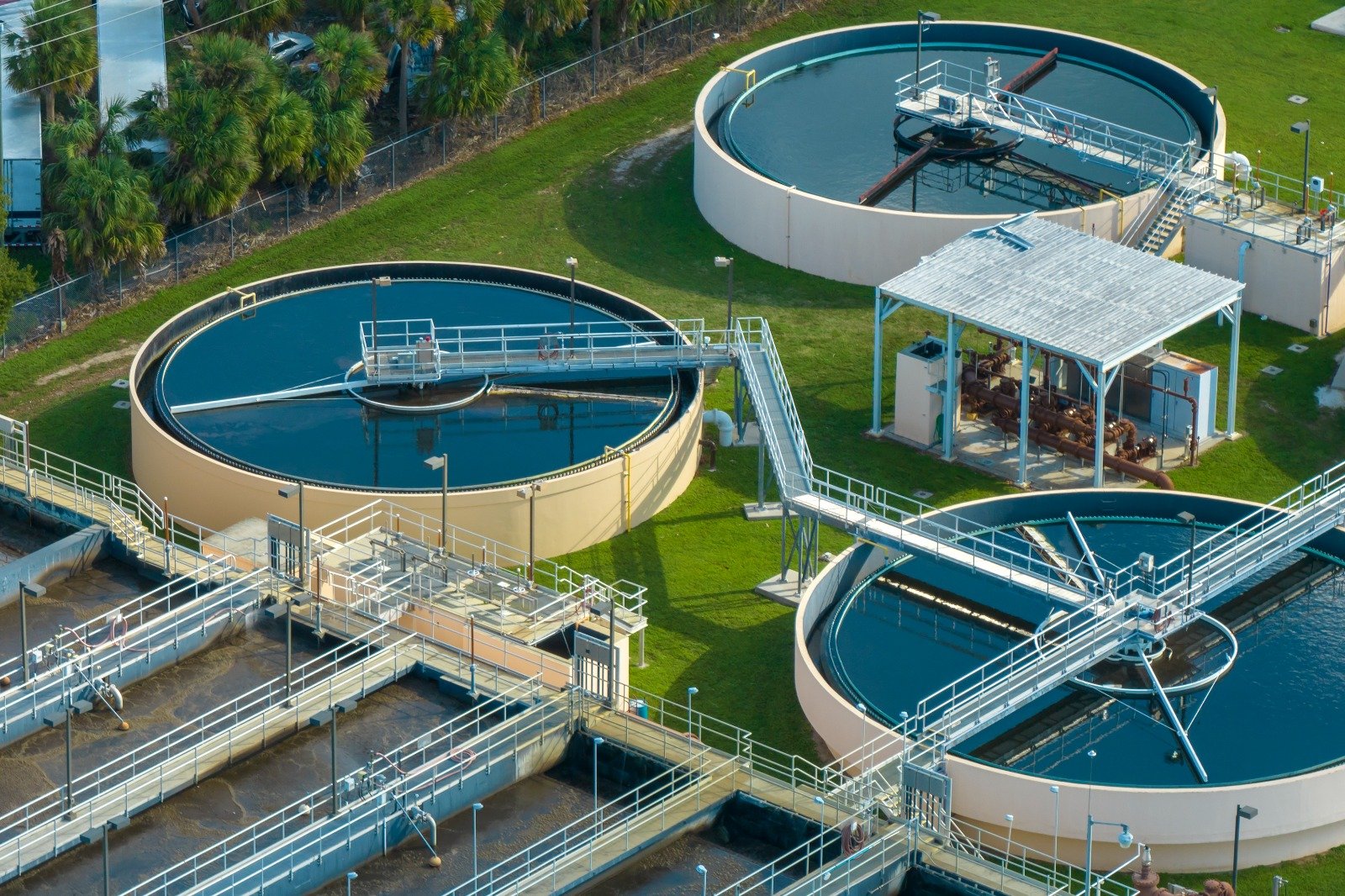
A Water Treatment Plant (WTP) is used to treat raw water from natural sources such as rivers, lakes or borewells and make it suitable for industrial or commercial use.
Main Functions of a WTP:
- Removes impurities and suspended particles
- Eliminates harmful bacteria and contaminants
- Improves water quality for industrial processes
- Industries Using WTP Plants includemanufacturing, pharmaceutical, food & beverage, commercial buildings and infrastructure projects
What is an STP (Sewage Treatment Plant)?
A Sewage Treatment Plant (STP) treats domestic wastewater and sewage generated from residential, commercial and industrial facilities. Treated water from STPs can often be reused for landscaping, cooling systems, flushing applications, industrial cleaning processes, etc.
Benefits of STP Plants:
- Reduces environmental pollution
- Enables water recycling and reuse
- Supports water conservation initiatives
- Helps meet environmental compliance standards
What is an ETP (Effluent Treatment Plant)?
An Effluent Treatment Plant (ETP) is designed to treat industrial wastewater containing chemicals, oils, toxic substances and industrial pollutants before discharge or reuse.
Industries Commonly Using ETPs include Textile, Chemical manufacturing, Pharmaceuticals, Paper and pulp industries, Food processing plants, etc
Key Advantages of ETP Plants:
- Controls industrial pollution
- Protects natural water bodies
- Reduces harmful chemical discharge
- Supports sustainable industrial operations
Importance of WTP, STP & ETP Plants in Industries
Modern industries are increasingly adopting advanced treatment systems to:
- Reduce water consumption
- Improve wastewater recycling
- Achieve ESG and sustainability goals
- Comply with environmental regulations
- Minimize operational and environmental risks
Future of Industrial Water Treatment in India
The demand for advanced WTP, STP, and ETP systems is rapidly growing due to:
- Rising environmental awareness
- Industrial expansion
- Water scarcity concerns
- Government sustainability initiatives
Technologies such as IoT-enabled monitoring, Zero Liquid Discharge (ZLD), and smart treatment systems are shaping the future of industrial water management.
Conclusion
WTP, STP, and ETP plants are no longer optional infrastructure, they are essential components of sustainable industrial growth. As industries continue focusing on environmental responsibility and resource efficiency, advanced water and wastewater treatment systems will play a critical role in shaping the future.
Whether you are looking for advanced treatment solutions, strategic partnerships or industry insights, Eco Sustain Expo offers valuable opportunities to showcase and explore the future of sustainable industry.