



The Growing Importance of EV Battery Recycling in India
India’s transition toward electric mobility is accelerating rapidly. Rising fuel prices, global supply chain disruptions, growing environmental concerns and increasing awareness around energy security are pushing industries and consumers toward cleaner transportation alternatives.
As the country focuses on reducing dependency on imported fossil fuels and promoting sustainable mobility, electric vehicles (EVs) are becoming a major part of India’s future. However, with the rapid growth of EV adoption comes another important challenge – EV battery waste management.
This is where electric vehicle battery recycling becomes critical.
Why EV Battery Recycling Matters More Than Ever
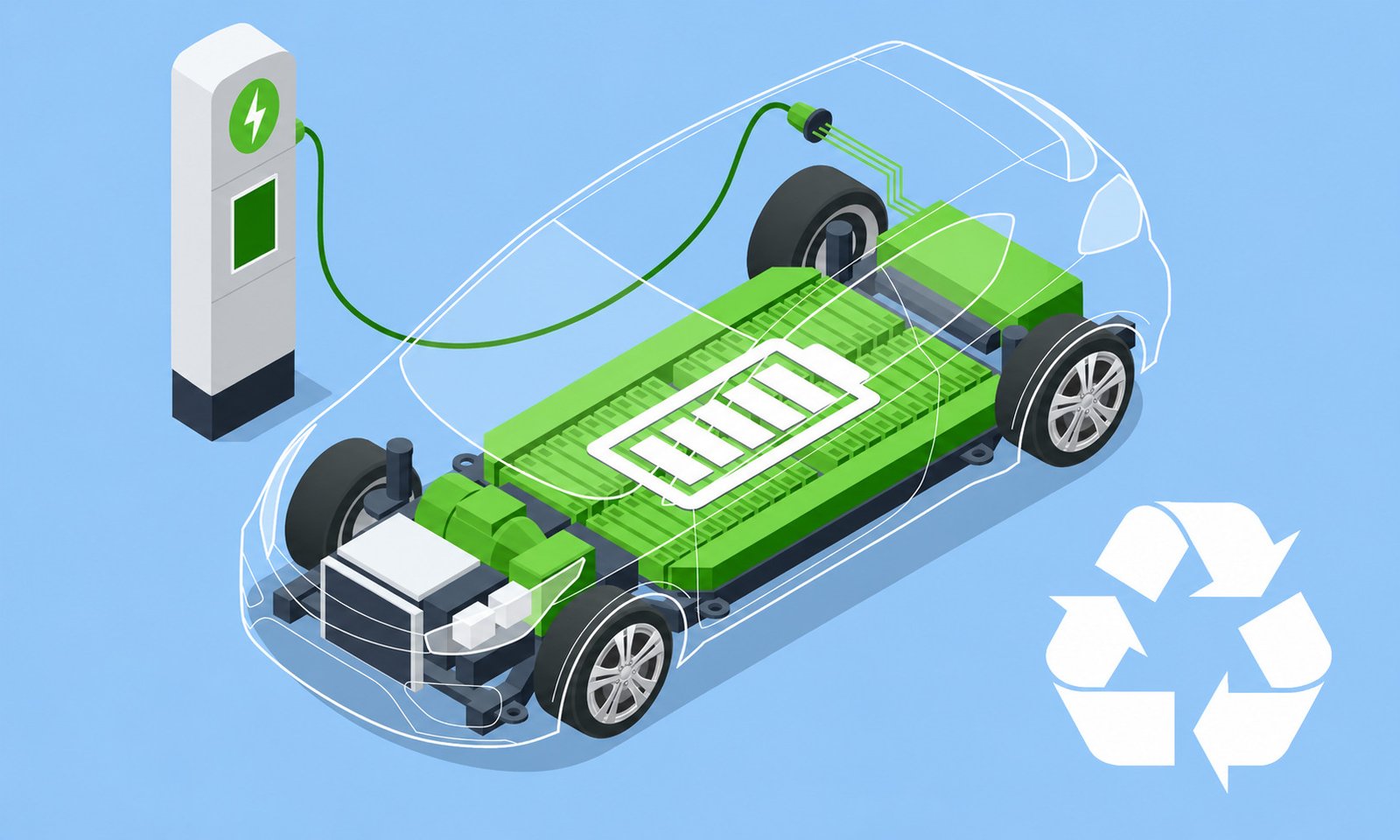
Lithium-ion batteries used in electric vehicles contain valuable materials such as lithium, nickel, cobalt, manganese and copper
These materials are expensive, limited in availability, and heavily dependent on global supply chains.
With ongoing global uncertainties, rising demand for EVs and pressure on raw material imports, recycling EV batteries can help India:
- Reduce dependence on imported raw materials
- Strengthen domestic resource availability
- Lower environmental impact
- Support sustainable manufacturing
The Rise of Electric Vehicle Battery Recycling in India
India’s EV market is expanding rapidly across electric cars, electric two-wheelers, commercial EV fleets and public transportation systems
As battery usage increases, so will the volume of end-of-life batteries over the next few years. This creates both a challenge and a massive business opportunity.
The growth of EV battery recycling companies in India is helping build infrastructure for:
- Battery collection
- Material recovery
- Safe disposal
- Battery repurposing and second-life applications
Government Policies Driving EV Battery Recycling in India
India is strengthening its EV battery recycling ecosystem through regulations and policy support focused on sustainability, circular economy, and resource recovery.
A major step is the implementation of the Battery Waste Management Rules, 2022 under the Extended Producer Responsibility (EPR) framework. These rules make battery manufacturers, importers, and recyclers responsible for the collection, recycling, and safe disposal of used batteries.
Key Highlights of the EPR Framework
- Mandatory collection targets for end-of-life (EOL) batteries
- Material recovery targets for lithium, cobalt, and nickel
- Digital tracking systems for monitoring battery movement
- Penalties for non-compliance with recycling regulations
The Future of EV Battery Recycling in India
The future of electric mobility depends not only on manufacturing EVs but also on building a sustainable battery lifecycle ecosystem.
Emerging trends include:
- Advanced lithium recovery technologies
- AI-driven recycling systems
- Second-life battery applications
- Sustainable battery manufacturing
- Circular economy integration
Conclusion
EV battery recycling is becoming a critical part of India’s sustainable mobility and industrial future. As electric vehicle adoption increases, building efficient recycling infrastructure will be essential to reduce environmental impact, recover valuable resources, and strengthen energy resilience. The shift toward sustainable transportation is not just about replacing fuel-powered vehicles, it is also about creating a complete circular ecosystem that supports long-term environmental and economic sustainability.
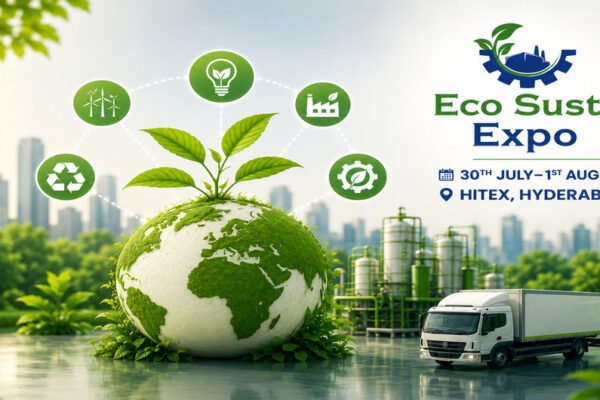
Be part of the future of sustainable innovation at Eco Sustain Expo 2026.