




Waste Management and Recycling Projects Driving Industrial Sustainability
India’s industrial landscape is undergoing a critical transformation. With increasing regulatory pressure, rising environmental concerns, and global sustainability commitments, industries are now prioritizing waste management and recycling as core operational strategies, not just compliance measures.
From manufacturing plants to large-scale industrial clusters, businesses are adopting innovative waste management solutions to reduce environmental impact, optimize resources, and improve long-term profitability.
Why Waste Management is Critical for Industrial Sustainability
Industrial growth has traditionally been linked with high levels of waste generation solid waste, hazardous waste, wastewater and emissions. Modern waste management systems help industries:
- Reduce landfill dependency
- Recover valuable materials
- Improve resource efficiency
- Meet ESG (Environmental, Social, Governance) goals
Key Waste Management and Recycling Initiatives
1. Industrial Waste Recycling Projects
Industries are increasingly investing in recycling projects that convert waste into reusable raw materials. Examples include metal scrap recycling in manufacturing, plastic waste reprocessing and fly ash utilization in cement production
These initiatives not only reduce waste but also significantly cut down raw material costs.
2. Waste-to-Energy (WTE) Projects
Waste-to-energy plants are gaining traction across India, especially in industrial zones. These projects convert industrial waste into electricity or heat, reduce landfill usage and support energy efficiency goals
3. Zero Liquid Discharge (ZLD) Systems
Water-intensive industries such as textiles, chemicals and pharmaceuticals are adopting ZLD systems to treat and recycle wastewater, eliminate liquid waste discharge and ensure compliance with environmental norms. ZLD is becoming a benchmark for sustainable industrial operations in India.
4. Circular Economy Practices
Forward-thinking industries are shifting toward a circular economy model, where waste is minimized and materials are continuously reused. Key practices include reusing industrial by-products, closed-loop manufacturing systems and industrial symbiosis (one industry’s waste becomes another’s resource). This approach reduces dependency on virgin resources and enhances sustainability.
The Road Ahead: Industrial Sustainability in India
India is at a pivotal point where industrial growth and environmental responsibility must go hand in hand. Waste management and recycling projects will play a crucial role in shaping a sustainable future.
As industries continue to innovate and collaborate, the focus will shift from waste disposal to resource recovery and circularity, transforming waste into opportunity.
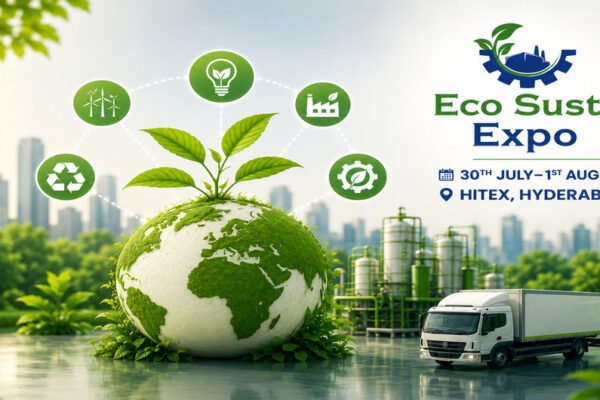
The future of industrial India lies in responsible production, efficient resource utilization and innovative waste management. Events like Eco Sustain Expo 2026 are not just exhibitions, they are catalysts for change.
Join the movement. Showcase your solutions. Discover what’s next in industrial sustainability.
Be a part of Eco Sustain Expo and contribute to building a cleaner, greener industrial future for India.