



Plastic Waste Recycling Technologies in 2026: Innovations Driving Sustainability and Circular Growth
Plastic waste continues to be one of the world’s most pressing environmental challenges. With growing concerns about pollution, landfill overflow, and resource depletion, industries and governments are investing heavily in advanced plastic waste recycling solutions. In 2026, technological innovation is transforming the way plastic waste is collected, processed, and reused, creating new opportunities for sustainability and circular economic growth.
As businesses and consumers become more environmentally conscious, plastic waste recycling technologies are evolving beyond traditional methods, enabling higher recovery rates, better material quality, and reduced environmental impact.
The Rising Need for Innovative Plastic Waste Recycling Solutions
Global plastic production continues to rise, resulting in millions of tons of waste generated annually. While traditional recycling systems have helped divert some plastic from landfills, many challenges remain. Contamination, mixed plastic streams, and limited recycling capabilities often reduce efficiency and increase costs.
To address these challenges, the recycling industry is embracing innovative technologies that improve sorting accuracy, increase material recovery, and convert waste into valuable resources. These advancements are helping create a circular economy where plastic materials remain in use for longer and waste is minimized.
AI-Powered Sorting Systems
One of the most significant advancements in plastic waste recycling is the use of artificial intelligence (AI) and machine learning technologies in sorting facilities.
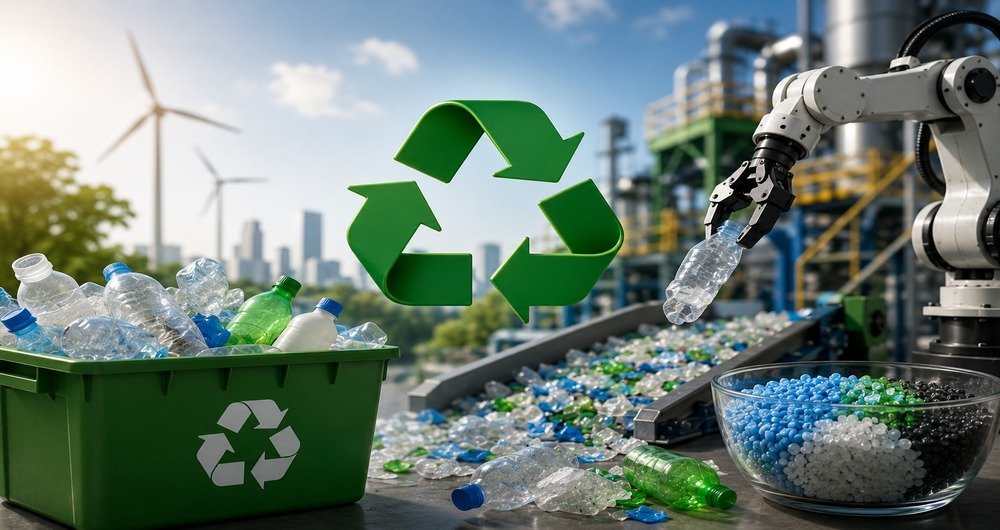
Modern recycling plants now utilize AI-powered cameras, sensors, and robotic systems to identify different types of plastics with exceptional accuracy. These systems can distinguish materials based on color, composition, shape, and chemical properties, significantly reducing contamination rates.
Benefits of AI-driven sorting include:
- Higher recycling efficiency
- Improved material purity
- Reduced labor requirements
- Increased processing speeds
- Better recovery of recyclable plastics
As AI technology continues to improve, recycling facilities can process larger volumes of waste while maintaining high-quality output.
Chemical Recycling Technologies
Traditional mechanical recycling often struggles with contaminated or complex plastic materials. Chemical recycling is emerging as a game-changing solution in 2026.
This process breaks plastics down into their original chemical building blocks, allowing them to be transformed into new plastic products with near-virgin quality. Unlike conventional recycling methods, chemical recycling can handle mixed, multilayer, and hard-to-recycle plastics.
Popular chemical recycling methods include:
- Pyrolysis
- Depolymerization
- Solvolysis
- Gasification
These technologies help divert plastic waste from landfills and create valuable raw materials for manufacturing, supporting long-term circularity.
Advanced Mechanical Recycling Systems
Mechanical recycling remains a critical component of plastic waste management, but modern facilities are becoming far more sophisticated.
New technologies now include advanced shredding, washing, extrusion, and filtration systems capable of processing plastics more efficiently while maintaining material quality. Enhanced contamination removal techniques ensure recycled plastics meet higher industry standards.
These improvements make recycled plastic suitable for a broader range of applications, including packaging, automotive components, consumer products, and construction materials.
Smart Waste Collection and Tracking
Digital transformation is also influencing how plastic waste is collected and managed.
Smart waste management systems use Internet of Things (IoT) sensors, GPS tracking, and cloud-based monitoring platforms to optimize collection routes and improve recycling efficiency. Smart bins can detect fill levels and automatically notify waste management teams when collection is needed.
Key advantages include:
- Reduced transportation costs
- Lower carbon emissions
- Improved collection efficiency
- Better waste tracking and reporting
- Enhanced resource management
These technologies help cities and organizations develop more sustainable waste management strategies.
Plastic-to-Fuel Conversion Technologies
While reducing plastic consumption remains a priority, certain non-recyclable plastics can be converted into useful energy through plastic-to-fuel technologies.
Advanced thermal conversion processes transform plastic waste into fuels such as diesel, synthetic crude oil, and industrial energy products. Although not a substitute for recycling, these technologies provide an alternative solution for materials that would otherwise end up in landfills.
When implemented responsibly, plastic-to-fuel systems can support waste reduction goals while recovering value from difficult waste streams.
Blockchain for Recycling Transparency
Supply chain transparency is becoming increasingly important in sustainability initiatives. Blockchain technology is now being integrated into plastic waste recycling systems to improve traceability and accountability.
Blockchain platforms allow stakeholders to track plastic materials throughout their lifecycle—from collection and processing to manufacturing and reuse. This transparency helps businesses verify recycled content, meet sustainability targets, and comply with environmental regulations.
For companies focused on Environmental, Social, and Governance (ESG) goals, blockchain provides reliable data to demonstrate responsible waste management practices.
Supporting the Circular Economy
The ultimate objective of these innovations is to support a circular economy where materials remain in productive use for as long as possible.
Advanced plastic waste recycling technologies enable businesses to reduce dependence on virgin raw materials, lower carbon emissions, and minimize environmental impact. By recovering valuable resources from waste streams, organizations can create economic value while contributing to sustainability objectives.
Governments, manufacturers, recyclers, and consumers all play a role in accelerating the transition toward circular plastic management systems.
Conclusion
Plastic waste recycling is undergoing a remarkable transformation in 2026. From AI-powered sorting and chemical recycling to smart waste management and blockchain tracking, innovative technologies are making recycling more efficient, scalable, and sustainable than ever before.
As environmental regulations tighten and sustainability expectations continue to rise, organizations that embrace advanced plastic waste recycling solutions will be better positioned to reduce waste, achieve ESG goals, and contribute to a thriving circular economy. The future of plastic waste management lies not only in reducing waste but also in unlocking its value through innovation and responsible resource recovery.