




How Battery Waste Management Is Driving the Circular Economy
As the world accelerates its transition toward electric mobility, renewable energy and portable electronics, the demand for batteries has grown exponentially. While batteries are powering a cleaner and more connected future, they also present a significant environmental challenge at the end of their lifecycle.
This is where battery waste management solutions play a critical role. Effective battery collection, recycling, treatment, and resource recovery systems are becoming essential for creating a sustainable and circular economy.
With increasing regulations, growing environmental awareness, and rapid adoption of electric vehicles (EVs), battery waste management is emerging as one of the most important sectors in industrial sustainability.
What is Battery Waste Management?
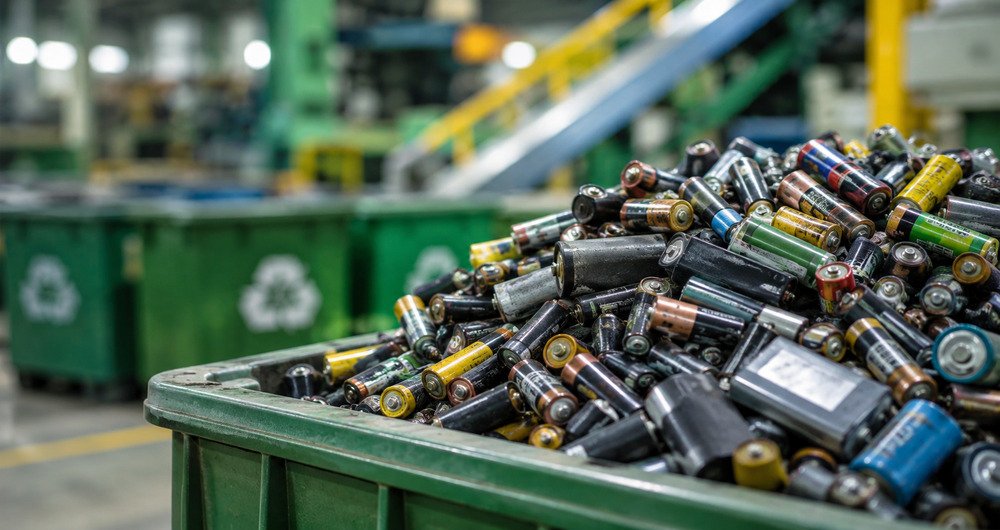
Battery waste management refers to the collection, transportation, storage, recycling, treatment, and environmentally safe disposal of used and end-of-life batteries.
Batteries contain valuable materials such as lithium, cobalt, nickel, lead, copper and manganese.
Why Battery Waste Management is Becoming Critical
The rapid growth of electric vehicles, consumer electronics, renewable energy storage systems and industrial batteries has significantly increased battery consumption worldwide.
Several factors are driving the need for advanced battery waste management solutions:
Growing Electric Vehicle Adoption
The global shift toward electric mobility is expected to generate millions of tonnes of end-of-life EV batteries over the coming decades, creating both environmental challenges and recycling opportunities.
Resource Recovery and Supply Security
Critical minerals such as lithium, cobalt, and nickel are limited resources. Recycling batteries helps recover these valuable materials and reduces dependence on imported raw materials.
Environmental Protection
Improper disposal of batteries can release hazardous substances into ecosystems. Efficient battery recycling and treatment systems help minimize pollution and support environmental sustainability.
Circular Economy Goals
Battery recycling enables materials to be reused in manufacturing, supporting circular economy practices and reducing reliance on virgin resources.
Key Battery Waste Management Solutions
Battery Collection and Reverse Logistics
Efficient collection systems are essential to ensure used batteries are safely transported to authorized recycling facilities.
These systems include:
- Collection centers
- Take-back programs
- Producer responsibility initiatives
- Reverse supply chain networks
Battery Recycling Technologies
Advanced recycling technologies enable recovery of valuable metals and materials from end-of-life batteries.
Common recycling methods include:
- Mechanical recycling
- Hydrometallurgical processing
- Pyrometallurgical processing
- Direct recycling technologies
These processes help recover critical minerals that can be reused in battery manufacturing.
Battery Repurposing and Second-Life Applications
Not all used batteries require immediate recycling. Many EV batteries retain sufficient capacity for secondary applications such as:
- Renewable energy storage
- Backup power systems
- Grid stabilization
- Industrial energy storage
Second-life battery applications extend battery lifecycles and improve resource efficiency.
Safe Disposal and Environmental Compliance
For batteries that cannot be recycled or repurposed, environmentally safe disposal practices are essential to minimize ecological damage and ensure regulatory compliance.
Conclusion
As battery usage continues to grow across industries, effective battery waste management solutions will play a crucial role in reducing environmental impact, recovering valuable resources and supporting a circular economy.
The transition to a sustainable future requires more than clean energy, it requires responsible management of the technologies that power it. By investing in advanced battery recycling and waste management systems today, industries can build a cleaner, more resilient, and resource-efficient tomorrow.
Explore the future of sustainable battery management at Eco Sustain Expo 2026.