



How Renewable Energy Projects Generate Emission Reduction Credits
As the world moves toward a low-carbon future, renewable energy is playing a crucial role in reducing greenhouse gas emissions and supporting sustainable development. From solar farms and wind parks to hydropower and biomass facilities, renewable energy projects are helping countries and businesses transition away from fossil fuels. But their impact goes beyond generating clean electricity. These projects can also create emission reduction credits, providing both environmental and economic benefits.
With growing interest in carbon markets and net-zero commitments, understanding how renewable energy projects generate emission reduction credits has become increasingly important for businesses, investors, and sustainability professionals.
What Are Emission Reduction Credits?
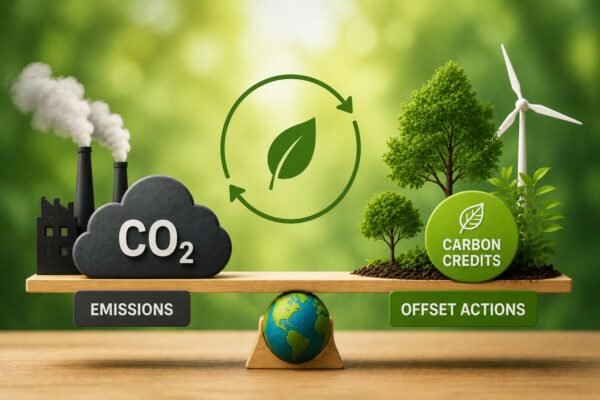
Emission reduction credits (ERCs) are certificates that represent a verified reduction in greenhouse gas emissions. Usually, each carbon credit reflects one metric ton of CO₂ or an equivalent greenhouse gas emission that has been prevented from reaching the atmosphere.
These credits are generated by projects that reduce emissions compared to a conventional or business-as-usual scenario. Once verified, the credits can be traded or purchased by organizations seeking to offset a portion of their carbon footprint and meet sustainability goals.
Why Renewable Energy Projects Matter
Traditional electricity generation often depends on fossil fuels such as coal, oil, and natural gas. These energy sources release large amounts of carbon dioxide and other greenhouse gases into the atmosphere, contributing to climate change.
Renewable energy projects provide a cleaner alternative by harnessing naturally replenishing resources, including:
- Solar energy
- Wind energy
- Hydropower
- Biomass energy
- Geothermal energy
Because these technologies generate electricity with little to no direct emissions, they help reduce reliance on carbon-intensive power generation. This reduction forms the foundation for creating emission reduction credits.
How Renewable Energy Projects Generate Emission Reduction Credits
The process involves several key steps to ensure that emission reductions are accurately measured and verified.
1. Establishing the Baseline
Every renewable energy project begins by identifying a baseline scenario. This baseline estimates the amount of greenhouse gas emissions that would have been produced if the project had not been implemented.
For example, if a solar power plant supplies electricity to the grid, the baseline may assume that the same amount of electricity would otherwise have been generated by a coal-fired power plant. The emissions associated with coal-based generation serve as the reference point.
2. Generating Clean Electricity
Once operational, the renewable energy facility begins producing electricity. The amount of energy generated is carefully monitored and recorded, usually in megawatt-hours (MWh).
Whether it is a solar farm capturing sunlight or a wind turbine harnessing wind energy, every unit of clean electricity generated helps displace electricity that may have otherwise come from fossil fuel sources.
3. Calculating Avoided Emissions
The next step is determining how many greenhouse gas emissions have been avoided due to the renewable energy project.
Using approved methodologies, project developers compare the clean energy generated with the emissions that would have occurred under the baseline scenario. The difference represents the project’s emission reductions.
For instance, if a wind farm produces enough electricity to replace coal-generated power, the corresponding carbon emissions avoided can be quantified and documented.
4. Third-Party Verification
To maintain credibility, emission reduction claims must undergo independent verification. Accredited auditors review project data, monitoring systems, and calculations to ensure that the reported reductions are accurate and comply with established standards.
Verification is a critical step because it ensures transparency and builds trust among buyers and participants in carbon markets.
5. Issuance of Credits
After successful verification, emission reduction credits are issued through recognized carbon registries or certification programs. These credits can then be sold, traded, or retired by organizations looking to support climate action initiatives and offset unavoidable emissions.
Types of Renewable Energy Projects That Generate Credits
Several renewable energy technologies are commonly used to generate emission reduction credits.
Solar Energy Projects
Solar power systems convert sunlight into electricity without producing greenhouse gas emissions during operation. As solar adoption continues to grow worldwide, these projects have become a major source of emission reduction credits.
Wind Energy Projects
Wind farms generate electricity using wind turbines, helping reduce dependence on fossil fuel-powered generation while creating measurable emission reductions.
Hydropower Projects
Hydroelectric facilities produce electricity using flowing water and can contribute significantly to emissions reduction when replacing conventional power sources.
Biomass Energy Projects
Biomass projects utilize organic materials such as agricultural waste, forestry residues, or other renewable resources to generate energy while reducing emissions associated with traditional energy production.
Benefits Beyond Environmental Impact
Emission reduction credits create value beyond carbon savings. For project developers, they can provide an additional revenue stream that improves the financial viability of renewable energy investments. For businesses, purchasing verified credits can support ESG initiatives, sustainability reporting, and net-zero strategies.
The growing demand for emission reduction credits is also encouraging innovation, investment, and collaboration across industries. As organizations seek practical pathways to reduce their environmental impact, renewable energy projects continue to emerge as one of the most reliable and scalable solutions.
Businesses seeking insights into renewable energy, carbon markets, emissions management, and sustainable technologies can also benefit from industry platforms such as Eco Sustain Expo. The event brings together sustainability leaders, technology providers, policymakers, and industry experts to discuss solutions that support climate goals and sustainable industrial growth.
The Future of Renewable Energy and Carbon Markets
As governments strengthen climate policies and organizations accelerate their sustainability commitments, the demand for high-quality emission reduction credits is expected to rise. Renewable energy projects will remain a cornerstone of this transition because they provide measurable, verifiable, and long-term emissions reductions.
Advancements in clean energy technology, improved monitoring systems, and expanding carbon markets are likely to create even more opportunities for renewable energy developers and businesses looking to contribute to global climate action.
Conclusion
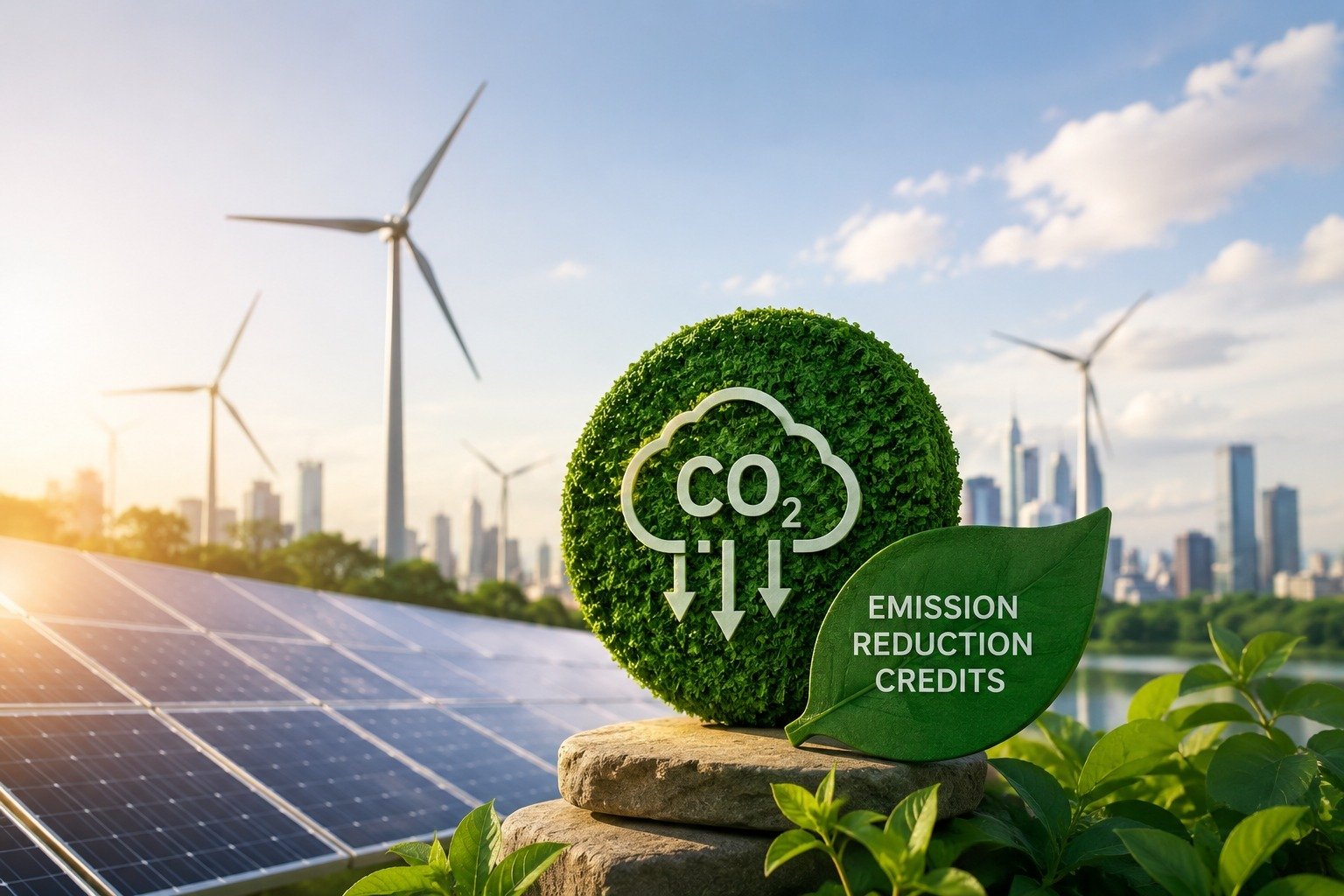
Renewable energy projects generate emission reduction credits by replacing fossil fuel-based electricity with cleaner alternatives and documenting the resulting emissions savings. Through monitoring, verification, and certification, these projects create valuable credits that support both environmental protection and economic growth.
As the global focus on sustainability continues to increase, renewable energy and emission reduction credits will play an increasingly important role in helping businesses, industries, and governments achieve their climate goals while building a cleaner and more resilient future.